Eid Ul Fitr: A Comprehensive Guid

A Guide about Eid Ul Fitr and How is Eid Celebrated in Different Cultures?

Eid Ul Fitr is one of the most significant festivals in Islam, marking the end of Ramadan, the holy month of fasting. It is a day of joy, gratitude, and celebration for Muslims worldwide.

Origin and Significance

Eid Ul Fitr, which means “Festival of Breaking the Fast,” is celebrated on the first day of Shawwal, the tenth month of the Islamic lunar calendar. The festival was established by Prophet Muhammad (PBUH) and has been observed by Muslims since the early days of Islam. It signifies the successful completion of Ramadan and the spiritual growth achieved through fasting, prayer, and reflection.

Method of Celebration

The celebration of Eid Ul Fitr varies across cultures, but some universal practices include:

  1. Eid Prayer: Muslims gather in large congregations to perform the special Eid prayer, which includes a sermon and supplications.
  2. Zakat al-Fitr: Before the Eid prayer, Muslims give Zakat al-Fitr, a form of charity to purify the fast and help those in need.
  3. Festive Meals: Families prepare and share special meals, often including traditional dishes and sweets.
  4. New Clothes: Wearing new or best clothes is a common tradition, reflecting the joy and significance of the occasion.
  5. Social Visits: Visiting family and friends, exchanging gifts, and spreading happiness are integral parts of the celebration.

Masnoon Acts (Sunnah) on Eid Ul Fitr

Following the Sunnah of Prophet Muhammad (PBUH), Muslims perform several acts on Eid Ul Fitr to maximize the blessings of the day:

  1. Making Du’a on the Night of Eid: The Prophet (PBUH) emphasized making supplications on the night before Eid.
  2. Performing Ghusl: Taking a bath before the Eid prayer is a recommended practice.
  3. Eating Before Prayer: It is Sunnah to eat an odd number of dates before heading to the Eid prayer.
  4. Applying Perfume: Men are encouraged to apply perfume to create a pleasant atmosphere.
  5. Wearing Best Clothes: Dressing in clean and beautiful clothes is a tradition followed by the Prophet (PBUH).
  6. Paying Zakat al-Fitr: Ensuring that Zakat al-Fitr is given before the prayer.
  7. Reciting Takbeer: Reciting the Takbeer softly on the way to the mosque.
  8. Taking Different Routes: The Prophet (PBUH) used to take different routes to and from the Eid prayer.
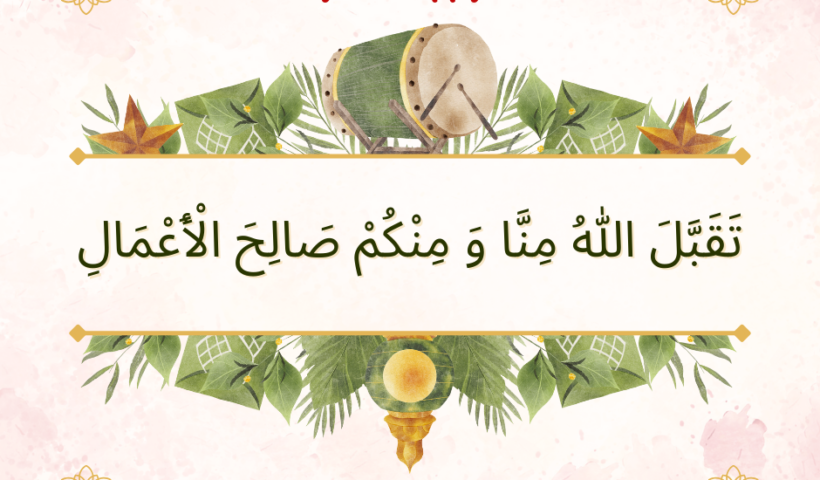
  9. Congratulating Each Other: Greeting each other with “Taqabbal Allaahu Minnaa Wa Minka” (May Allah accept from us and from you).

Quranic Verses and Hadith References

Eid Ul Fitr is rooted in Islamic teachings, with several references in the Quran and Hadith:

  • Quranic Verses:

    • “And so that you may complete the number, and magnify Allah for guiding you, and that you may give thanks.” (Quran 2:185).
    • “Felicitous is he who purifies himself, celebrates the Name of his Lord, and prays.” (Quran 87:14-15).
  • Hadith:

    • The Prophet (PBUH) said, “Give gifts to one another, you will love each other.” (Hadith, Al Mufrad).
    • Anas bin Malik reported: “The Messenger of Allah (PBUH) came to Madinah, and the people had two days when they used to celebrate. He said, “Allah has replaced them for you with something better: the day of Adha and the day of Fitr.” (Sunan Abi Dawood 1134, Sahih by Al-Albani).
    • Ibn Abbas related: “The Messenger of Allah (PBUH) enjoined Zakat al-Fitr as a purifying for the fasting person from vain speech and obscenities, and nourishment for the poor. Whoever gives it before the prayer, it is good zakah, and whoever gives it following the prayer, it is plain charity.” (Sunan Abi Dawood 1609, Hasan by Al-Albani).

Eid Ul Fitr is a day of immense joy and gratitude, reflecting the spiritual achievements of Ramadan and the unity of the Muslim community. By following the Sunnah and engaging in acts of worship and charity, Muslims celebrate this blessed day in a manner that honors their faith and traditions.

I hope this detailed article helps you understand the significance and practices of Eid Ul Fitr. If you have any more questions or need further information, feel free to ask at info@DrRizwanAli.com

Celebration of Eid ul Fitar in Different Cultures

Eid Ul Fitr is celebrated with great enthusiasm and unique traditions across different cultures. Here are some examples of how various countries and regions observe this joyous occasion:

Saudi Arabia and the Middle East

In Saudi Arabia, Eid celebrations begin with the Eid prayer, followed by visits to family and friends. Traditional dishes such as lamb kabsa, dates, and Arabic coffee are commonly enjoyed. Acts of charity are emphasized, with many people donating food and financial aid to those in need.

Turkey: Şeker Bayramı (Sugar Feast)

In Turkey, Eid is known as Ramazan Bayramı or Şeker Bayramı (Sugar Feast). Families prepare and share sweets like baklava and Turkish delights. Children receive small gifts or money, and people visit elders to show respect. The celebration also includes visiting the graves of loved ones.

Indonesia: Lebaran and Mudik

In Indonesia, Eid is called Lebaran. A unique tradition called Mudik involves millions of people returning to their hometowns to celebrate with family. Homes and mosques are decorated with lanterns, and large public feasts take place. Traditional dishes such as ketupat (rice cakes) are served alongside spiced meats and curries.

India and Pakistan: Festive Markets and Mehndi

In South Asia, Eid is marked by vibrant street markets filled with traditional clothing, jewelry, and festive treats. Women and girls apply mehndi (henna) on their hands, and families prepare special dishes like biryani and sheer khurma. Social visits and gift exchanges are common.

Malaysia and Singapore

In Malaysia and Singapore, Eid is known as Hari Raya Aidilfitri. The celebration includes visiting relatives, preparing traditional dishes like rendang and ketupat, and giving “duit raya” (money packets) to children. Public spaces are often decorated with lights and festive displays.

Egypt: Street Festivals and Special Dishes

In Egypt, Eid is celebrated with street festivals, special dishes like feteer meshaltet (layered pastry), and family gatherings. People also visit amusement parks and public gardens to enjoy the holiday.

Morocco: Henna and Community Meals

In Morocco, Eid celebrations include applying henna, wearing festive attire, and enjoying community meals. Traditional dishes like lamb tagine and pastries are prepared, and people visit family and friends to share the joy of the occasion.

United Arab Emirates: Lavish Feasts and Charity

In the UAE, Eid is marked by lavish feasts, city-wide events, and acts of charity. Public spaces are adorned with lights, and families participate in cultural performances and fireworks displays. Many people use this time to give to the less fortunate.

Eid Ul Fitr is a time of unity, gratitude, and generosity, celebrated in unique ways across different cultures. While traditions may vary, the values of faith, family, and giving remain at the heart of the celebration.

Surat No. 112 || Surat Al Ikhlas || Free Online Quran Tutor

Surat No. 112 | Learn How to Recite Surat Al Ikhlas | Introduction to Surat Al Ikhlas

سورۃ الاخلاص

#SuratAlikhlas

سورۃ الاخلاص قرآن مجید کی 112ویں سورت ہے، جو صرف چار آیات پر مشتمل ہے۔ اس سورت کو “اخلاص” کہا جاتا ہے کیونکہ اس میں اللہ تعالیٰ کی خالص توحید کا بیان ہے۔ اس سورت کا مضمون توحید باری تعالیٰ کے سلسلے میں تمام جوانب کا بیان کرتا ہے۔

شان نزول
سورۃ الاخلاص کے شان نزول کے بارے میں مختلف روایات ہیں جن کا مفہوم درج ذیل ہے:

قریش کے لوگوں ن ے رسول اللہ صلی اللہ علیہ وسلم سے کہا کہ اپنے رب کا نسب ہمیں بتائیے، اس پر یہ سورت نازل ہوئی۔
مشرکین نے رسول اللہ صلی اللہ علیہ وسلم سے کہا کہ اپنے رب کا نسب ہمیں بتائیے، اس پر اللہ تعالیٰ نے یہ سورۃ نازل فرمائی۔
یہودیوں کا گروہ رسول اللہ صلی اللہ علیہ وسلم کی خدمت میں حاضر ہوا اور کہا کہ آپ کا رب کیسا ہے جس نے آپ کو بھیجا ہے، اس پر اللہ تعالیٰ نے یہ سورت نازل فرمائی۔

مضامین
سورۃ الاخلاص کے مضامین میں اللہ تعالیٰ کی یکتائی اور بے نیازی کا بیان ہے:

اللہ ایک ہے : “قُلْ هُوَ اللّٰهُ اَحَدٌ” (کہہ دو وہ اللہ ایک ہے)۔
اللہ بے نیاز ہے : “اَللّٰهُ الصَّمَدُ” (اللہ بے نیاز ہے)۔
نہ اس کی کوئی اولاد ہے اور نہ وہ کسی کی اولاد ہے : “لَمْ یَلِدْ وَلَمْ یُوْلَدْ”۔
اور اس کے برابر کا کوئی نہیں ہے : “وَلَمْ یَكُنْ لَّهٝ كُفُوًا اَحَدٌ”

سورہ اخلاص کی فضیلت

عَنْ أَبِي سَعِيدٍ الْخُدْرِيِّ ، رَضِيَ اللَّهُ عَنْهُ ، قَالَ : قَالَ النَّبِيُّ صلى الله عليه وسلم لأَصْحَابِهِ أَيَعْجِزُ أَحَدُكُمْ أَنْ يَقْرَأَ ثُلُثَ الْقُرْآنِ فِي لَيْلَةٍ فَشَقَّ ذَلِكَ عَلَيْهِمْ وَقَالُوا أَيُّنَا يُطِيقُ ذَلِكَ يَا رَسُولَ اللهِ فَقَالَ اللَّهُ الْوَاحِدُ الصَّمَدُ ثُلُثُ الْقُرْآنِ (أخرجه البخاري)
(صحیح بخاری: کتاب فضائل القرآن، باب فضل قل هو الله أحد)
حدیث کا ترجمہ:
ابو سعید خدری رضی اللہ عنہ سے روایت ہے کہ نبی کریم ﷺ نے اپنے صحابہ سے فرمایا کہ کیا تم میں سے کسی کے لئے یہ ممکن نہیں کہ قرآن کا ایک تہائی حصہ ایک رات میں پڑھا کرے؟ صحابہ کو یہ عمل بڑا مشکل معلوم ہوا اور انہوں نے عرض کیا یا رسول اللہ! ہم میں سے کون اس کی طاقت رکھتا ہے۔ آپ ﷺ نے اس پر فرمایا کہ ﴿ قُلْ هُوَ اللهُ أَحَده الله الصمد﴾ قرآن مجید کا ایک تہائی حصہ ہے۔

اس سورۃ مبارکہ کی تلاوت قاری صدیق منشاوی رحمہ اللہ سے سیکھنے کے لیے اس ویڈیو کو سنیں:

#DrRizwanAli #DrRizwanOnline

For more, You can Follow this Channel

Learn Surat Al Lahab

Learn How to Recite Surat Al Lahab and also learn about Divin Message in this Surat

#SuratAlLahab

تعارف: سورۃ الھب، جسے سورۃ المسد بھی کہا جاتا ہے، مکی سورۃ ہے اور اس میں 5 آیات ہیں۔ یہ قرآن مجید کی 111ویں سورۃ ہے۔

پس منظر: یہ سورۃ ابو لہب اور اس کی بیوی کی مذمت میں نازل ہوئی۔ ابو لہب کا اصل نام عبدالعزیٰ تھا اور وہ نبی کریم ﷺ کا چچا تھا۔ اس کا لقب “ابو لہب” اس کی سرخی مائل چمکدار جلد کی وجہ سے تھا۔ جب نبی کریم ﷺ نے کوہ صفا پر کھڑے ہو کر قریش کو اسلام کی دعوت دی تو ابو لہب نے آپ ﷺ کی مخالفت کی اور کہا، “تَبًّا لَكَ أَلِهَذَا جَمَعْتَنَا؟” (تمہارے لئے ہلاکت ہو، کیا تم نے ہمیں اس لئے جمع کیا؟)۔ اس پر یہ سورۃ نازل ہوئی1.

مضامین

آیت 1: ابو لہب کے دونوں ہاتھ ٹوٹ جائیں اور وہ ہلاک ہو۔
آیت 2: نہ تو اس کا مال ہی اس کے کچھ کام آیا اور نہ وہ جو اس نے کمایا۔
آیت 3: وہ جلد بھڑکتی ہوئی آگ میں داخل ہو گا۔
آیت 4: اور اس کی بیوی بھی جو ایندھن سر پر اٹھائے پھرتی ہے۔
آیت 5: اس کے گلے میں مونج کی رسّی ہو گی۔

اس سورۃ سے ملنے والا پیغام : اس سورۃ سے ہمیں یہ سبق ملتا ہے کہ اللہ کے دشمنوں کا انجام برا ہوتا ہے اور اللہ تعالیٰ اپنے نبی کی حمایت کرتا ہے۔ یہ سورۃ ہمیں یہ بھی بتاتی ہے کہ دنیاوی مال و دولت اللہ کے عذاب سے بچا نہیں سکتی۔

Dr. Rizwan Ali

For more, You can Follow this Channel

قرآن مجید کی سورت نمبر 91 تا سورت نمبر 110 کا تعارف اور ان کے مضامین

قرآن مجید کی سورت نمبر 91 تا سورت نمبر 110 کا تعارف ، ان کے مضامین اور  شب قدر کی عظمت

قرآن مجید کی سورت نمبر 91 تا سورت نمبر 110 کا تعارف اور ان کے مضامین کی فہرست درج ذیل ہے

سورۃ الشمس (91)
تعارف: سورۃ الشمس مکی سورۃ ہے اور اس میں 15 آیات ہیں۔
مضامین: اس سورۃ میں اللہ تعالیٰ نے سورج، چاند، دن، رات، آسمان، زمین اور نفس انسانی کی قسمیں کھا کر انسان کی فطرت اور اس کے اعمال کی اہمیت کو بیان کیا ہے۔

سورۃ اللیل (92)
تعارف: سورۃ اللیل بھی مکی سورۃ ہے اور اس میں 21 آیات ہیں۔
مضامین: اس سورۃ میں رات، دن، مرد اور عورت کی قسمیں کھا کر انسان کے اعمال اور ان کے نتائج کو بیان کیا گیا ہے۔

سورۃ الضحیٰ (93)
تعارف: سورۃ الضحیٰ مکی سورۃ ہے اور اس میں 11 آیات ہیں۔
مضامین: اس سورۃ میں اللہ تعالیٰ نے نبی کریم ﷺ کی زندگی کے مختلف مراحل اور ان پر اللہ کی نعمتوں کا ذکر کیا ہے۔

سورۃ الشرح (94)
تعارف: سورۃ الشرح بھی مکی سورۃ ہے اور اس میں 8 آیات ہیں۔
مضامین: اس سورۃ میں نبی کریم ﷺ کی مشکلات اور ان کے حل کے بارے میں بیان کیا گیا ہے۔

سورۃ التین (95)
تعارف: سورۃ التین مکی سورۃ ہے اور اس میں 8 آیات ہیں۔
مضامین: اس سورۃ میں اللہ تعالیٰ نے انجیر، زیتون، طور سینا اور اس شہر امن کی قسمیں کھا کر انسان کی تخلیق اور اس کی فطرت کو بیان کیا ہے۔

سورۃ العلق (96)
تعارف: سورۃ العلق مکی سورۃ ہے اور اس میں 19 آیات ہیں۔
مضامین: اس سورۃ میں اللہ تعالیٰ نے انسان کی تخلیق، علم کی اہمیت اور نبی کریم ﷺ کی پہلی وحی کا ذکر کیا ہے۔

سورۃ القدر (97)
تعارف: سورۃ القدر مکی سورۃ ہے اور اس میں 5 آیات ہیں۔
مضامین: اس سورۃ میں لیلۃ القدر کی فضیلت اور اس رات کی اہمیت کو بیان کیا گیا ہے۔

سورۃ البینہ (98)
تعارف: سورۃ البینہ مدنی سورۃ ہے اور اس میں 8 آیات ہیں۔
مضامین : اس سورۃ میں اہل کتاب اور مشرکین کے بارے میں بیان کیا گیا ہے اور ان کے اعمال کے نتائج کو بیان کیا گیا ہے۔

سورۃ الزلزال (99)
تعارف: سورۃ الزلزال مکی سورۃ ہے اور اس میں 8 آیات ہیں۔
مضامین: اس سورۃ میں قیامت کے دن زمین کے زلزلے اور انسان کے اعمال کے نتائج کو بیان کیا گیا ہے۔

سورۃ العادیات (100)
تعارف: سورۃ العادیات مکی سورۃ ہے اور اس میں 11 آیات ہیں۔
مضامین: اس سورۃ میں جنگی گھوڑوں کی قسمیں کھا کر انسان کی ناشکری اور اس کے اعمال کے نتائج کو بیان کیا گیا ہے۔

سورۃ القارعہ (101)
تعارف: سورۃ القارعہ مکی سورۃ ہے اور اس میں 11 آیات ہیں۔
مضامین: اس سورۃ میں قیامت کے دن کی ہولناکی اور انسان کے اعمال کے نتائج کو بیان کیا گیا ہے۔

سورۃ التکاثر (102)
تعارف: سورۃ التکاثر مکی سورۃ ہے اور اس میں 8 آیات ہیں۔
مضامین: اس سورۃ میں دنیا کی مال و دولت کی حرص اور اس کے نتائج کو بیان کیا گیا ہے۔

سورۃ العصر (103)
تعارف: سورۃ العصر مکی سورۃ ہے اور اس میں 3 آیات ہیں۔
مضامین: اس سورۃ میں وقت کی قسم کھا کر انسان کی خسارے کی حالت اور اس کے نجات کے راستے کو بیان کیا گیا ہے۔

سورۃ الہمزہ (104)
تعارف: سورۃ الہمزہ مکی سورۃ ہے اور اس میں 9 آیات ہیں۔
مضامین : اس سورۃ میں غیبت، چغل خوری اور مال کی حرص کے نتائج کو بیان کیا گیا ہے۔

سورۃ الفیل (105)
تعارف: سورۃ الفیل مکی سورۃ ہے اور اس میں 5 آیات ہیں۔
مضامین: اس سورۃ میں اصحاب الفیل کے واقعے کو بیان کیا گیا ہے اور اللہ کی قدرت کو ظاہر کیا گیا ہے۔

سورۃ قریش (106)
تعارف: سورۃ قریش مکی سورۃ ہے اور اس میں 4 آیات ہیں۔
مضامین: اس سورۃ میں قریش کے سفر اور ان پر اللہ کی نعمتوں کو بیان کیا گیا ہے۔

سورۃ الماعون (107)
تعارف: سورۃ الماعون مکی سورۃ ہے اور اس میں 7 آیات ہیں۔
مضامین: اس سورۃ میں نماز کی اہمیت اور یتیموں اور مسکینوں کے حقوق کو بیان کیا گیا ہے۔

سورۃ الکوثر (108)
تعارف: سورۃ الکوثر مکی سورۃ ہے اور اس میں 3 آیات ہیں۔
مضامین: اس سورۃ میں نبی کریم ﷺ کو کوثر کی بشارت دی گئی ہے اور نماز اور قربانی کی اہمیت کو بیان کیا گیا ہے۔

سورۃ الکافرون (109)
تعارف: سورۃ الکافرون مکی سورۃ ہے اور اس میں 6 آیات ہیں۔
مضامین: اس سورۃ میں کفار کے ساتھ نبی کریم ﷺ کی براءت اور ان کے دین سے علیحدگی کو بیان کیا گیا ہے۔

سورۃ النصر (110)
تعارف: سورۃ النصر مدنی سورۃ ہے اور اس میں 3 آیات ہیں۔

مضامین: اس سورۃ میں فتح مکہ کی بشارت اور اللہ کی حمد و ثناء کو بیان کیا گیا ہے۔

سورۃ القدر (سورۃ نمبر 97) کی تفہیم اور  شب قدر کی عظمت

تعارف : سورۃ القدر مکی سورۃ ہے اور اس میں 5 آیات ہیں۔

آیات

إِنَّا أَنْزَلْنَاهُ فِي لَيْلَةِ الْقَدْرِ – “بیشک ہم نے اس قرآن کو شب قدر میں نازل کیا۔”
وَمَا أَدْرَاكَ مَا لَيْلَةُ الْقَدْرِ – “اور آپ کو کیا معلوم کہ شب قدر کیا ہے؟”
لَيْلَةُ الْقَدْرِ خَيْرٌ مِنْ أَلْفِ شَهْرٍ – “شب قدر ہزار مہینوں سے بہتر ہے۔”
تَنَزَّلُ الْمَلَائِكَةُ وَالرُّوحُ فِيهَا بِإِذْنِ رَبِّهِمْ مِنْ كُلِّ أَمْرٍ – “اس میں فرشتے اور روح اپنے رب کے حکم سے ہر امر کے متعلق اترتے ہیں۔”
سَلَامٌ هِيَ حَتَّى مَطْلَعِ الْفَجْرِ – “وہ رات فجر طلوع ہونے تک سراسر سلامتی ہے۔”

تفسیر

نزول قرآن : سورۃ القدر کی پہلی آیت میں اللہ تعالیٰ نے فرمایا کہ قرآن مجید کو شب قدر میں نازل کیا گیا۔ اس رات کی عظمت اور برکت کو بیان کیا گیا ہے۔

شب قدر کی فضیلت: دوسری آیت میں اللہ تعالیٰ نے شب قدر کی عظمت کو بیان کیا ہے کہ یہ رات ہزار مہینوں سے بہتر ہے۔ اس رات میں عبادت کا اجر ہزار مہینوں کی عبادت سے زیادہ ہے۔

فرشتوں کا نزول: تیسری آیت میں بتایا گیا ہے کہ اس رات میں فرشتے اور روح (جبریل علیہ السلام) اللہ کے حکم سے زمین پر اترتے ہیں اور ہر امر کے متعلق فیصلے کرتے ہیں۔

سلامتی: چوتھی آیت میں ذکر کیا گیا ہے کہ یہ رات فجر طلوع ہونے تک سراسر سلامتی ہے۔ اس رات میں اللہ تعالیٰ کی رحمت اور برکتیں نازل ہوتی ہیں۔

—ڈاکٹر رضوان علی—

who #cheat in #weighing and #measuring

Quran Learning || Introduction and Themes of Surahs 81 to 90 of the Holy Quran

Introduction and Themes of Surahs 81 to 90 of the Holy Quran

Surah At-Takwir (81)
Introduction: Surah At-Takwir is a Makki Surah and it has 29 Ayahs.
Themes:

  • Signs of the Day of Judgment: The sun will be wrapped up, stars will fall, mountains will move, and seas will boil.
  • Records of deeds will be opened and everyone will be accountable for their actions.
  • The greatness of the Quran and the truthfulness of the Messenger.

Surah Al-Infitar (82)
Introduction: Surah Al-Infitar is a Makki Surah and it has 19 Ayahs.
Themes:

  • Signs of the Day of Judgment: The sky will be split, stars will scatter, and graves will be opened.
  • Accounting of human deeds and reward and punishment.
  • Hope for Allah’s mercy and forgiveness.

Surah Al-Mutaffifin (83)
Introduction: Surah Al-Mutaffifin is a Makki Surah and it has 36 Ayahs.
Themes:

  • Condemnation of those who cheat in weighing and measuring.
  • Horrors of the Day of Judgment and punishment for the wrongdoers.
  • Rewards for the righteous and blessings of Paradise.

Surah Al-Mutaffifin strongly condemns those who #cheat in #weighing and #measuring and warns them of severe punishment on the Day of #Judgment. According to the commentaries, #cheating in weighing and measuring is a serious crime that not only violates people’s rights in this world but also leads to severe punishment in the hereafter.

Surah Al-Inshiqaq (84)
Introduction: Surah Al-Inshiqaq is a Makki Surah and it has 25 Ayahs.
Themes:

  • Signs of the Day of Judgment: The sky will be split and the earth will be spread out.
  • Accounting of human deeds and reward and punishment.
  • Rewards for the righteous and blessings of Paradise.

Surah Al-Buruj (85)
Introduction: Surah Al-Buruj is a Makki Surah and it has 22 Ayahs.
Themes:

  • The story of the People of the Ditch and their oppression.
  • The power and greatness of Allah.
  • Horrors of the Day of Judgment and punishment for the wrongdoers.

Surah At-Tariq (86)
Introduction: Surah At-Tariq is a Makki Surah and it has 17 Ayahs.
Themes:

  • The power and greatness of Allah.
  • The creation and reality of humans.
  • Horrors of the Day of Judgment and punishment for the wrongdoers.

Surah Al-A’la (87)
Introduction: Surah Al-A’la is a Makki Surah and it has 19 Ayahs.
Themes:

  • The greatness and power of Allah.
  • The creation and reality of humans.
  • Horrors of the Day of Judgment and punishment for the wrongdoers.

Surah Al-Ghashiyah (88)
Introduction: Surah Al-Ghashiyah is a Makki Surah and it has 26 Ayahs.
Themes:

  • Horrors of the Day of Judgment and punishment for the wrongdoers.
  • Rewards for the righteous and blessings of Paradise.
  • The greatness and power of Allah.

Surah Al-Fajr (89)
Introduction: Surah Al-Fajr is a Makki Surah and it has 30 Ayahs.
Themes:

  • Horrors of the Day of Judgment and punishment for the #wrongdoers.
  • Rewards for the righteous and blessings of Paradise.
  • The greatness and power of Allah.

Surah Al-Balad (90)
Introduction: Surah Al-Balad is a Makki Surah and it has 20 Ayahs.
Themes:

  • The creation and reality of humans.
  • Horrors of the Day of Judgment and punishment for the wrongdoers.
  • Rewards for the righteous and blessings of Paradise.

Dr. Rizwan Ali

Quran Learning

Quran Learning || Introduction and Themes of Surahs 71 to 80 of the Holy Quran

#Qruan #Learning || Introduction and Themes of Surahs 71 to 80 of the Holy Quran

Surah Number: 71
Full Name:
 Surah Nuh
Makki or Madani: Makki
Number of Ayahs: 28
Introduction: This Surah discusses the invitation of Prophet Nuh (Noah) to his people and their opposition. It also includes the prayer of Prophet Nuh (Noah).

Themes of the Surah:

  • Invitation to the people by Prophet Nuh (Noah)
  • Opposition and denial by the people
  • Prayer of Prophet Nuh (Noah)

Surah Number: 72
Full Name: Surah Al-Jinn
Makki or Madani: Makki
Number of Ayahs: 28
Introduction: This Surah mentions the belief of the Jinn and their various groups.

Themes of the Surah:

  • Belief of the Jinn
  • Different groups of Jinn
  • Oneness of Allah

Surah Number: 73
Full Name: Surah Al-Muzzammil
Makki or Madani: Makki
Number of Ayahs: 20
Introduction: This Surah emphasizes the importance of night worship and recitation of the Quran to the Prophet Muhammad (PBUH).

Themes of the Surah:

  • Night worship
  • Recitation of the Quran
  • Patience and perseverance

Surah Number: 74
Full Name:
 Surah Al-Muddathir
Makki or Madani: Makki
Number of Ayahs: 56
Introduction: This Surah emphasizes the importance of inviting others to Islam and mentions the horrors of the Day of Judgment.

Themes of the Surah:

  • Emphasis on invitation to Islam
  • Horrors of the Day of Judgment
  • Outcome of good and bad deeds

Surah Number: 75
Full Name:
 Surah Al-Qiyamah
Makki or Madani: Makki
Number of Ayahs: 40
Introduction: This Surah details the Day of Judgment and the accounting of human deeds.

Themes of the Surah:

  • The Day of Judgment
  • Accounting of deeds
  • Human condition

Surah Number: 76
Full Name:
 Surah Al-Insan
Makki or Madani: Madani
Number of Ayahs: 31
Introduction: This Surah discusses the creation of humans, their trials, and the rewards for the righteous.

Themes of the Surah:

  • Creation of humans
  • Rewards for the righteous
  • Patience and gratitude

Surah Number: 77
Full Name:
 Surah Al-Mursalat
Makki or Madani: Makki
Number of Ayahs: 50
Introduction: This Surah mentions the horrors of the Day of Judgment and the power of Allah.

Themes of the Surah:

  • Horrors of the Day of Judgment
  • Power of Allah
  • Outcome of good and bad deeds

Surah Number: 78
Full Name:
 Surah An-Naba
Makki or Madani: Makki
Number of Ayahs: 40
Introduction: This Surah details the Day of Judgment and mentions Paradise and Hell.

Themes of the Surah:

  • The Day of Judgment
  • Paradise and Hell
  • Outcome of good and bad deeds

Surah Number: 79
Full Name:
 Surah An-Nazi’at
Makki or Madani: Makki
Number of Ayahs: 46
Introduction: This Surah mentions the horrors of the Day of Judgment and the power of Allah.

Themes of the Surah:

  • Horrors of the Day of Judgment
  • Power of Allah
  • Outcome of good and bad deeds

Surah Number: 80
Full Name:
 Surah Abasa
Makki or Madani: Makki
Number of Ayahs: 42
Introduction: This Surah mentions the incident involving a blind companion of the Prophet Muhammad (PBUH) and discusses human negligence.

Themes of the Surah:

  • Incident involving the blind companion
  • Human negligence
  • The Day of Judgment

Detailed Introduction of Surah Al-Insan (Surah Ad-Dahr)

Introduction: Surah Al-Insan discusses the creation of humans, their trials, and the rewards for the righteous. It is very relevant for guiding humans in the present times.

Themes of the Surah:

  • Creation of Humans: The Surah begins with the mention of the creation of humans from a drop of fluid and the faculties of hearing and seeing given to them by Allah.
  • Trials: Humans are created for trials and are shown the path to be grateful or ungrateful.
  • Rewards for the Righteous: The Surah mentions the rewards for the righteous in Paradise, such as silk garments, fragrances, and the best foods.
  • Patience and Gratitude: The qualities of the righteous include patience, gratitude, and worship of Allah.
  • Reality of Worldly Life: The Surah mentions the transient nature of worldly life.

This Surah reminds humans of their creation and trials, and encourages them towards righteousness by mentioning the rewards for the righteous. In the present times, when humans face various difficulties and challenges, this Surah encourages them towards patience, gratitude, and worship of Allah.


Dr. Rizwan Ali

Introduction and list of topics for Surahs 61 to 70 of the Quran

Introduction and list of topics for Surahs 61 to 70 of the Quran

#Introduction and list of topics for Surahs 61 to 70 of the Quran:

Surah As-Saff (Madani): 

Surah Number: 61 Topic: The virtue of Jihad in the way of Allah and condemnation of #hypocrites. Key Points: Praise for those who fight in rows in the way of Allah, and condemnation of those who make false claims.

Surah Al-Jumu’ah (Madani):

Surah Number: 62 Topic: The importance of Friday prayer and the #responsibilities of Muslims. Key Points: Emphasis on hastening to Friday prayer and the instruction to leave other engagements and focus on prayer.

Surah Al-Munafiqun (Madani):

 Surah Number: 63 Topic: Identification of hypocrites and condemnation of their character. Key Points: Signs of hypocrites, their false promises, and their #conspiracies.

Surah At-Taghabun (Madani):

 Surah Number: 64 Topic: The reality of the Day of Judgment and the success of the believers. Key Points: The horrors of the Day of Judgment, the importance of good deeds, and seeking Allah’s pleasure.

Surah At-Talaq (Madani):

 Surah Number: 65 Topic: The rules of divorce and the waiting period. Key Points: The waiting period for a divorced woman, provisions, and residence rules.

Surah At-Tahrim (Madani):

 Surah Number: 66 Topic: The dealings of the Prophet #Muhammad (PBUH) with his noble wives. Key Points: Incidents involving the Prophet’s wives and the emphasis on repentance.

Surah Al-Mulk (Makki):

 Surah Number: 67 Topic: The power of Allah and the reality of life and death. Key Points: The greatness of Allah’s creation, the purpose of life and death, and preparation for the #Hereafter.

Surah Al-Qalam (Makki):

 Surah Number: 68 Topic: The truthfulness of the Prophet Muhammad (PBUH) and condemnation of opponents. Key Points: The moral greatness of the Prophet, the conspiracies of opponents, and their fate.

Surah Al-Haqqah (Makki):

 Surah Number: 69 Topic: The horrors of the Day of Judgment and reward and punishment. Key Points: The #horrors of the Day of Judgment, the accounting of good and bad deeds, and their outcomes.

Surah Al-Ma’arij (Makki):

 Surah Number: 70 Topic: The reality of the Day of Judgment and the importance of good deeds. Key Points: The horrors of the Day of Judgment, the virtue of good deeds, and the emphasis on #patience.


Detailed Introduction of Surah Al-Qalam:

Introduction: Surah Al-Qalam begins with the letter “Nun” and the oath by the pen. The pen symbolizes knowledge, learning, and divine wisdom. This Surah was revealed in the early days of the Prophet Muhammad’s (PBUH) mission when he faced severe opposition from the Quraysh tribe in Mecca.

Topics: The Truthfulness of the Prophet Muhammad (PBUH):

Verses 1-4: Allah swears by the pen and the Prophet’s great character. The accusations of the opponents are refuted, and the moral greatness of the Prophet is highlighted.

Condemnation of Opponents:

Verses 5-16: The opponents are condemned, and their false claims and conspiracies are mentioned. Allah informs about their fate.

The Story of the Garden Owners:

Verses 17-33: The story of the garden owners who try to hide their harvest from the poor and as a result, their entire garden is destroyed. This story teaches the importance of humility, generosity, and gratitude for Allah’s blessings.

Patience and Perseverance:

Verses 34-52: The Prophet Muhammad (PBUH) is advised to be patient and steadfast, and the fate of the opponents is mentioned. Allah reassures the Prophet that he is on the right path and his opponents will fail.

Guidance for the Present Time: Surah Al-Qalam provides several important lessons for Muslims in the present time:

Moral Character:

Truthfulness and Ethics: The example of the Prophet Muhammad’s (PBUH) truthfulness and great character reminds us to adopt the qualities of truthfulness, humility, and kindness. It teaches us that good character is a major part of faith and people should adhere to goodness, no matter how difficult the circumstances.

The Power of Knowledge:

Oath by the Pen: The pen symbolizes the power of knowledge and its responsibility. In Islam, the use of knowledge is not just for personal benefit but to understand and act upon Allah’s will. This Surah emphasizes the importance of acquiring knowledge, preserving it, and conveying it to others for the benefit of all.

Social Justice:

The Story of the Garden Owners: The story of the garden owners teaches us the importance of humility, generosity, and gratitude for Allah’s blessings. It warns us not to rely on ourselves and forget our responsibilities, especially the right to cooperate with those in need.

Patience and Perseverance:

Encouragement in Difficulties: The advice to the Prophet Muhammad (PBUH) to be patient and steadfast teaches us to exhibit patience and perseverance in difficult times. Trusting in Allah and following His commands leads us to success.

Surah Al-Qalam emphasizes the importance of moral character, acquiring knowledge, and patience and perseverance in difficult times. It teaches that true success is achieved by adhering to truth, adopting #humility, and having faith in Allah, not by worldly power or status.

introduction to Surahs 51 to 60 from the Quran

Introduction to Surah No. 51 to 60 from the Quran e Majeed, along with their main topics

Introduction to Surahs 51 to 60 from the Quran, along with their main #topics:

Surah Adh-Dhariyat (The Winds) – Surah 51

Introduction: This Surah is named after the winds that scatter dust, mentioned in the first verse. It was revealed during the early #period of the Prophet’s mission in #Mecca. Main Topics:

  • The Hereafter and resurrection.
  • The signs of Allah in nature.
  • The fate of previous nations who denied their Prophets.
  • The invitation to monotheism (Tauhid).

Surah At-Tur (The Mount) – Surah 52

Introduction: Named after Mount Tur, where Moses received revelation. It was revealed in Mecca. Main Topics:

  • The Day of #Judgment.
  • The rewards for the righteous in Paradise.
  • The fate of the disbelievers.
  • The authenticity of the #Quran.

Surah An-Najm (The Star) – Surah 53

Introduction: Named after the star mentioned in the first verse. It was revealed in Mecca. Main Topics:

  • The miraculous journey of the Prophet Muhammad (Isra and Mi’raj).
  • The rejection of false gods.
  • The fate of previous nations who denied their Prophets.
  • The signs of Allah in creation.

Surah Al-Qamar (The Moon) – Surah 54

Introduction: Named after the moon mentioned in the first verse. It was revealed in Mecca. Main Topics:

  • The splitting of the moon as a sign.
  • The fate of previous nations who denied their prophets.
  • The Day of Judgment.
  • The Quran as a reminder.

Surah Ar-Rahman (The Beneficent) – Surah 55

Introduction: Named after one of Allah’s names, Ar-Rahman (The Beneficent). It was revealed in Mecca. Main Topics:

  • The blessings of Allah.
  • The creation of humans and jinn.
  • The signs of Allah in nature.
  • The rewards for the righteous in Paradise.

Surah Al-Waqi’ah (The Event) – Surah 56

Introduction: Named after the event of the Day of Judgment. It was revealed in Mecca. Main Topics:

  • The Day of Judgment.
  • The different groups of people on that day (the righteous, the companions of the right, and the companions of the left).
  • The signs of Allah in creation.
  • The authenticity of the Quran.

Surah Al-Hadid (The Iron) – Surah 57

Introduction: Named after iron, mentioned in verse 25. It was revealed in Medina. Main Topics:

  • The attributes of Allah.
  • The importance of charity and spending in the way of Allah.
  • The fate of the hypocrites.
  • The signs of Allah in creation.

Surah Al-Mujadila (The Pleading Woman) – Surah 58

Introduction: Named after the woman who pleaded with the Prophet regarding her husband. It was revealed in Medina. Main Topics:

  • The rules regarding divorce and family disputes.
  • The fate of the hypocrites.
  • The importance of loyalty to Allah and His Messenger.
  • The #etiquette of gatherings.

Surah Al-Hashr (The #Gathering) – Surah 59

Introduction: Named after the gathering mentioned in verse 2. It was revealed in Medina. Main Topics:

  • The expulsion of the Jewish tribe Banu Nadir from #Medina.
  • The attributes of Allah.
  • The importance of unity among #Muslims.
  • The fate of the #hypocrites.

Surah Al-Mumtahina (The Woman to be Examined) – Surah 60

Introduction: Named after the women who were examined to ensure their faith. It was revealed in Medina. Main Topics:

  • The rules regarding interactions with non-Muslims.
  • The importance of loyalty to Allah and His Messenger.
  • The fate of the hypocrites.
  • The importance of faith and sincerity.

Let’s delve into Surah Al-Hadid (The Iron), which is Surah 57 of the Quran. This Surah is particularly relevant for humanity and guidance for Muslims in today’s world.

Surah Al-Hadid (The Iron) – Surah 57

Introduction: Surah Al-Hadid was revealed in Medina and consists of 29 verses. It is named after iron, mentioned in verse 25, symbolizing strength and utility. This Surah emphasizes the attributes of Allah, the importance of faith, charity, and the balance between spiritual and material life.

Main Topics:

  1. Attributes of Allah:
    • The Surah begins by glorifying Allah, highlighting His sovereignty, power, and knowledge over all things (verses 1-6).
    • It emphasizes that Allah is the Creator of the heavens and the earth and knows what is hidden and what is manifest.
  2. Faith and Belief:
    • It calls on believers to have firm faith in Allah and His Messenger and to spend in the way of Allah (verses 7-10).
    • The Surah stresses the importance of sincere belief and the rewards for those who believe and strive in the cause of Allah.
  3. Charity and Spending:
    • A significant portion of the Surah focuses on the importance of charity and spending in the way of Allah (verses 11-18).
    • It encourages believers to give generously and promises great rewards for those who do so.
    • The Surah also warns against hoarding wealth and neglecting the needy.
  4. The Temporary Nature of Worldly Life:
    • The Surah reminds believers of the transient nature of worldly life and the eternal nature of the Hereafter (verses 20-21).
    • It urges them to prioritize their spiritual well-being over material pursuits.
  5. The Role of Iron:
    • Verse 25 mentions the creation of iron, highlighting its strength and utility for humanity.
    • It symbolizes the balance between spiritual and material life, emphasizing that both are essential for a balanced and just society.
  6. The Fate of the Hypocrites:
    • The Surah discusses the fate of the hypocrites who outwardly profess faith but harbor disbelief in their hearts (verses 13-15).
    • It warns them of the severe consequences they will face in the Hereafter.
  7. Encouragement for Believers:
    • The Surah concludes by encouraging believers to remain steadfast in their faith, to be patient, and to trust in Allah’s wisdom and justice (verses 27-29).

Relevance for Today:

Surah Al-Hadid provides essential guidance on maintaining a balance between spiritual and material life. Its emphasis on charity, faith, and the transient nature of worldly life is particularly relevant in today’s materialistic world. By adhering to the principles outlined in this Surah, Muslims can foster a more just, compassionate, and balanced society.

Quran Learinig Introduction to Surat no 31 to Surat no 40

Quran Learning || Introduction to Surat No. 31 to Surat No. 40 From Quran e Majeed

#Quran #Learning || #Introduction to #Surat No. 31 to Surat No. 40 From #Quran e #Majeed.

#RamadanLearning

سورت نمبر 31 تا سورۃ نمبر 40 کا تعارف اور اہم مضامین/موضوعات کی تفہیم#

سورۃ لقمان (سورۃ نمبر 31)
تعارف: یہ سورۃ مکی ہے اور اس میں 34 آیات ہیں۔

بنیادی مضامین:
حکمت اور نصیحت کی باتیں، خاص طور پر لقمان کی نصیحتیں۔
توحید، آخرت اور نیکی کی تعلیمات۔
والدین کی عزت اور ان کے ساتھ حسن سلوک۔

سورۃ السجدہ (سورۃ نمبر 32)
تعارف: یہ سورۃ مکی ہے اور اس میں 30 آیات ہیں۔

بنیادی مضامین:
قرآن کی عظمت اور اس کی حقانیت۔
تخلیقِ انسان اور اس کی زندگی کے مراحل۔
قیامت اور جزا و سزا۔

سورۃ الاحزاب (سورۃ نمبر 33)
تعارف: یہ سورۃ مدنی ہے اور اس میں 73 آیات ہیں۔

بنیادی مضامین:
غزوہ احزاب (خندق) کا ذکر۔
نبی کریم ﷺ کی ازدواجی زندگی اور اہل بیت کی فضیلت۔
پردے کے احکام اور معاشرتی اصول۔

سورۃ سبا (سورۃ نمبر 34)
تعارف: یہ سورۃ مکی ہے اور اس میں 54 آیات ہیں۔

بنیادی مضامین:
قوم سبا کی داستان اور ان کی نافرمانی۔
اللہ کی نعمتوں کا ذکر اور شکر گزاری کی تعلیم۔
قیامت اور حساب کتاب۔

سورۃ فاطر (سورۃ نمبر 35)
تعارف: یہ سورۃ مکی ہے اور اس میں 45 آیات ہیں۔

بنیادی مضامین:
اللہ کی قدرت اور تخلیق کی نشانیاں۔
توحید اور شرک کی مذمت۔
نیکی اور بدی کا انجام۔

سورۃ یٰسٓ (سورۃ نمبر 36)
تعارف: یہ سورۃ مکی ہے اور اس میں 83 آیات ہیں۔

بنیادی مضامین:
قرآن کی عظمت اور اس کی حقانیت۔
رسولوں کی دعوت اور ان کی قوموں کا رد عمل۔
قیامت اور جزا و سزا۔

سورۃ الصافات (سورۃ نمبر 37)
تعارف: یہ سورۃ مکی ہے اور اس میں 182 آیات ہیں۔

بنیادی مضامین:
توحید اور شرک کی مذمت۔
انبیاء کی داستانیں اور ان کی قوموں کا انجام۔
قیامت اور جزا و سزا۔

سورۃ صٓ (سورۃ نمبر 38)
تعارف: یہ سورۃ مکی ہے اور اس میں 88 آیات ہیں۔

بنیادی مضامین:
نبیوں کی داستانیں، خاص طور پر حضرت داؤد اور حضرت سلیمان۔
قیامت اور جزا و سزا۔
شیطان کی مخالفت اور اس کا انجام۔

سورۃ الزمر (سورۃ نمبر 39)
تعارف: یہ سورۃ مکی ہے اور اس میں 75 آیات ہیں۔

بنیادی مضامین:
توحید اور شرک کی مذمت۔
قیامت اور جزا و سزا۔
اللہ کی رحمت اور مغفرت۔

سورۃ غافر (سورۃ نمبر 40)
تعارف: یہ سورۃ مکی ہے اور اس میں 85 آیات ہیں۔

بنیادی مضامین:
اللہ کی عظمت اور اس کی قدرت۔
قیامت اور جزا و سزا۔
فرعون اور موسیٰ کی داستان۔

سورۃ لقمان کے مضامین اور حضرت لقمان کی نصیحتیں

سورۃ لقمان (سورۃ نمبر 31) ایک مکی سورۃ ہے جس میں 34 آیات ہیں۔ اس سورۃ کے بنیادی مضامین اور حضرت لقمان کی نصیحتیں درج ذیل ہیں:

بنیادی مضامین:
توحید: اللہ کی وحدانیت اور اس کی عظمت کا بیان۔
آخرت: قیامت کے دن کی حقیقت اور اس دن کی جزا و سزا۔
والدین کی عزت: والدین کے ساتھ حسن سلوک اور ان کی خدمت کی تاکید۔
نیکی اور بدی: نیکی کے کاموں کی ترغیب اور بدی سے بچنے کی نصیحت۔
علم اور حکمت: علم کی اہمیت اور حکمت کی باتیں۔

حضرت #لقمان کی نصیحتیں:
حضرت لقمان نے اپنے بیٹے کو کچھ نصیحتیں فرمائیں جن کا اللہ تعالیٰ نے قران مجید میں تذکرہ فرمایا ہے کیونکہ یہ #نصیحتیں تمام نوجوانوں کے لیے نہایت اہم ہیں کیونکہ یہ نصیحتیں حکمت اور دانائی پر مبنی ہیں:

شرک سے بچنے کی نصیحت#
“اے میرے بیٹے! اللہ کے ساتھ شرک نہ کرنا، بے شک شرک بہت بڑا ظلم ہے۔” (آیت 13)

والدین کی عزت اور خدمت:
“اور ہم نے انسان کو اس کے والدین کے بارے میں نصیحت کی ہے۔ اس کی ماں نے اسے کمزوری پر کمزوری کے ساتھ اٹھایا اور اس کا دودھ چھڑانا دو سال میں ہے۔” (آیت 14)
“اگر وہ دونوں تجھ پر زور ڈالیں کہ تو میرے ساتھ اس چیز کو شریک کرے جس کا تجھے علم نہیں، تو ان کا کہنا نہ مان، اور دنیا میں ان کے ساتھ اچھے طریقے سے رہ۔” (آیت 15)

اعمال کی جزا و #سزا
“اے میرے بیٹے! اگر کوئی چیز رائی کے دانے کے برابر بھی ہو اور وہ کسی چٹان میں یا آسمانوں میں یا زمین میں ہو، اللہ اسے لے آئے گا۔ بے شک اللہ باریک بین اور خبردار ہے۔” (آیت 16)

نماز قائم کرنے کی نصیحت
“اے میرے بیٹے! نماز قائم کر، نیکی کا حکم دے، برائی سے منع کر، اور جو مصیبت تجھ پر آئے اس پر صبر کر۔ بے شک یہ بڑے حوصلے کے کام ہیں۔” (آیت 17)

تکبر اور غرور سے بچنے کی نصیحت
“اور لوگوں سے اپنا رخ نہ پھیر، اور زمین میں اکڑ کر نہ چل۔ بے شک اللہ کسی اترانے والے، فخر کرنے والے کو پسند نہیں کرتا۔” (آیت 18)
“اور اپنی چال میں اعتدال اختیار کر، اور اپنی آواز پست رکھ۔ بے شک سب سے بری آواز گدھوں کی آواز ہے۔” (آیت 19)

یہ نصیحتیں حکمت اور دانائی کی بہترین مثالیں ہیں اور ہمیں زندگی گزارنے کے اصول سکھاتی ہیں۔

—ڈاکٹر رضوان علی—


Surah Luqman (Surah 31) Introduction: This is a Makki Surah and it has 34 verses.

Key Themes:

  • Wisdom and advice, especially Luqman’s advice.
  • Teachings of monotheism, the Hereafter, and righteousness.
  • Respect for parents and good conduct towards them.

Surah As-Sajda (Surah 32) Introduction: This is a Makki Surah and it has 30 verses.

Key Themes:

  • The greatness and truth of the Quran.
  • The creation of man and the stages of his life.
  • The Day of Judgment and reward and punishment.

Surah Al-Ahzab (Surah 33) Introduction: This is a Madani Surah and it has 73 verses.

Key Themes:

  • Mention of the Battle of Ahzab (Trench).
  • The marital life of the Prophet Muhammad (PBUH) and the virtues of his family.
  • Rules of modesty and social principles.

Surah Saba (Surah 34) Introduction: This is a Makki Surah and it has 54 verses.

Key Themes:

  • The story of the people of Saba and their disobedience.
  • Mention of Allah’s blessings and teachings of gratitude.
  • The Day of Judgment and accountability.

Surah Fatir (Surah 35) Introduction: This is a Makki Surah and it has 45 verses.

Key Themes:

  • Signs of Allah’s power and creation.
  • Condemnation of polytheism.
  • The outcome of good and evil.

Surah Ya-Sin (Surah 36) Introduction: This is a Makki Surah and it has 83 verses.

Key Themes:

  • The greatness and truth of the Quran.
  • The invitation of the messengers and the reaction of their people.
  • The Day of Judgment and reward and punishment.

Surah As-Saffat (Surah 37) Introduction: This is a Makki Surah and it has 182 verses.

Key Themes:

  • Condemnation of polytheism.
  • Stories of the prophets and the fate of their people.
  • The Day of Judgment and reward and punishment.

Surah Sad (Surah 38) Introduction: This is a Makki Surah and it has 88 verses.

Key Themes:

  • Stories of the prophets, especially Prophet David and Prophet Solomon.
  • The Day of Judgment and reward and punishment.
  • Opposition of Satan and his fate.

Surah Az-Zumar (Surah 39) Introduction: This is a Makki Surah and it has 75 verses.

Key Themes:

  • Condemnation of polytheism.
  • The Day of Judgment and reward and punishment.
  • Allah’s mercy and forgiveness.

Surah Ghafir (Surah 40) Introduction: This is a Makki Surah and it has 85 verses.

Key Themes:

  • The greatness and power of Allah.
  • The Day of Judgment and reward and punishment.
  • The story of Pharaoh and Moses.

Key Themes:

  • Monotheism: The statement of Allah’s oneness and greatness.
  • The Hereafter: The reality of the Day of Judgment and its reward and punishment.
  • Respect for Parents: Emphasis on good conduct and service to parents.
  • Righteousness and Evil: Encouragement of righteous deeds and advice to avoid evil.
  • Knowledge and Wisdom: The importance of knowledge and wise sayings.

Advice of Luqman: Luqman gave some advice to his son, which Allah mentioned in the Quran because these pieces of advice are very important for all young people as they are based on wisdom and insight:

  • Advice to Avoid Polytheism: “O my son! Do not associate partners with Allah, indeed polytheism is a great injustice.” (Verse 13)
  • Respect and Service to Parents: “And We have enjoined upon man [care] for his parents. His mother carried him, [increasing her] in weakness upon weakness, and his weaning is in two years.” (Verse 14) “But if they endeavor to make you associate with Me that of which you have no knowledge, do not obey them but accompany them in [this] world with appropriate kindness.” (Verse 15)
  • Reward and Punishment of Deeds: “O my son! If it be [anything] equal to the weight of a grain of mustard seed and it be [hidden] in a rock or [anywhere] in the heavens or in the earth, Allah will bring it forth. Indeed, Allah is Subtle and Acquainted.” (Verse 16)
  • Advice to Establish Prayer: “O my son! Establish prayer, enjoin what is right, forbid what is wrong, and be patient over what befalls you. Indeed, [all] that is of the matters [requiring] determination.” (Verse 17)
  • Advice to Avoid Arrogance and Pride: “And do not turn your cheek [in contempt] toward people and do not walk through the earth exultantly. Indeed, Allah does not like everyone self-deluded and boastful.” (Verse 18) “And be moderate in your pace and lower your voice; indeed, the most disagreeable of sounds is the voice of donkeys.” (Verse 19)

These pieces of advice are excellent examples of wisdom and teach us the principles of living a good life.

—Dr. Rizwan Ali—

https://www.drrizwanali.com/

Islam as Code of Life

What is Islam?

An introduction to Islam.

Islam is a complete code of life. It teaches us about our all activities, either it’s are related to our religious life, social life, financial life, or political life.

Here we are going to learn more about the all aspects of human life and the teachings of Islam about these aspects.

If we review our life and all activities of our daily life, we will know that we are working in four major areas of life: 1. Religion, 2. Politics, 3. Economic, 4. Social activities.

In other hand if we research or explore either Islam guide us in all these aspects of our life or Islam guide us about only religious activities, we come to know that Islam has complete system of guidence for all aspects.

Some time we misinterpret Islam as it is only for some religious practices. But is should be clear that Islam is a complete code of life. It deals with all human life. It gives us guidance about our all life, even it discusses human before his birth and to the matters after his death.

Islam is just like a school where we need to get admission and then we must attend classes and follow the instruction for fulfillment of getting degree or certificate of successfulness.

Basic beliefs of Islam are just filling the admission form, where we promise to obey Allah Almighty and Prophet Muhammad PBUH.

After the admission we are required to do necessary acts or duties to remain in this school (i.e. Islam).

Necessary action and duties are consisting of some DOs and DO NOTs. And these duties are deals with religion, politics, social life, and financial activities of a person.

#What is #Islam #Religioin #Politics #SocilaLife #Economics #Finance

#Definition of #Islam